
In Turkey’s fast-growing urban centers like Istanbul, Ankara, and Izmir, transportation is evolving rapidly. The rise of ride-hailing services has created a bustling ecosystem where efficiency and timely service are key. For rideshare operators, one of the biggest challenges is optimizing driver utilization. That’s where rideshare dispatch software comes into play.
At its core, rideshare dispatch software acts as the central nervous system for ride-hailing services. It coordinates drivers, passengers, and trips in real time, ensuring every available driver is efficiently matched with passengers. This is particularly critical in Turkey’s crowded cities where traffic congestion and unpredictable demand patterns can otherwise leave drivers idle and customers frustrated.
Understanding Driver Utilization Challenges in Turkey
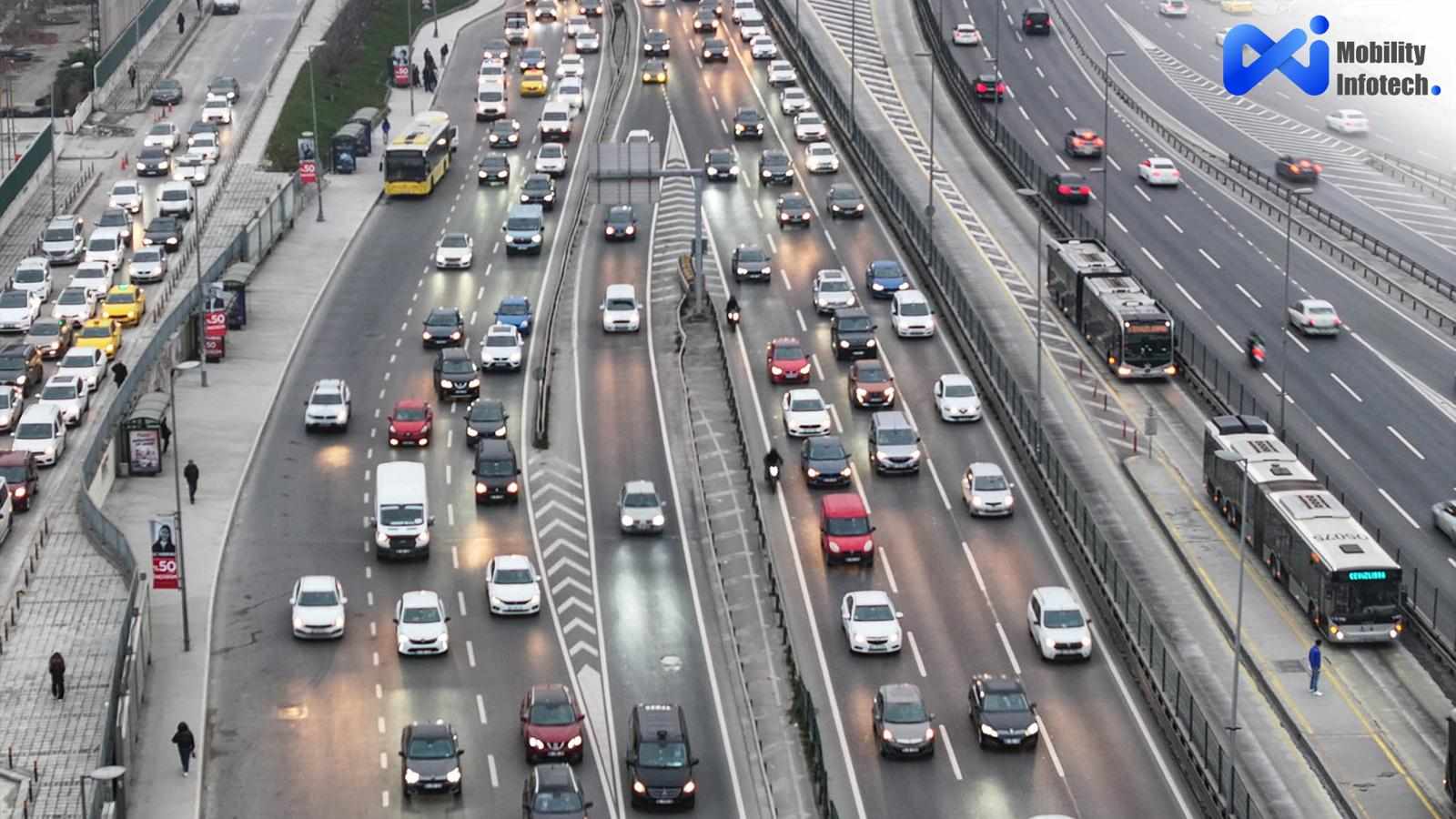
In Turkish cities, rush hours, weekend peaks, and local events can create sudden spikes in ride requests. Drivers without a proper management system often face long periods without trips, or they might take inefficient routes, wasting both fuel and time. This not only reduces income for drivers but also increases operational costs for ride-hailing companies.
Moreover, customer expectations are high. Passengers want quick pickups and transparent fare calculations. Failing to meet these expectations can hurt a rideshare company’s reputation. Traditional manual dispatch methods or basic mobile apps cannot handle this dynamic demand effectively.
How Ride Sharing Management Software Transforms Operations
This is where ride sharing management software makes a difference. By leveraging intelligent algorithms, the software ensures that every driver is optimally deployed. Here’s how it works:
Real-Time Ride Matching
The software constantly monitors incoming ride requests and driver locations. Advanced dispatch algorithms assign rides to the closest or most suitable drivers. In Turkey’s busy streets, this reduces waiting times for passengers and prevents drivers from traveling long distances empty.
Dynamic Route Optimization
Traffic in Istanbul or Ankara can be unpredictable. Ride sharing software calculates the most efficient routes for drivers, considering traffic, road closures, and estimated travel times. This not only improves driver productivity but also enhances passenger satisfaction with faster and smoother trips.
Balanced Demand Distribution
During peak hours or local festivals, some districts may see surges in ride requests. A good rideshare dispatch system redistributes drivers dynamically across the city. By balancing supply and demand, drivers can pick up more rides without oversaturating any particular area.
Performance Analytics
Modern software provides actionable insights through dashboards and analytics. Operators can track driver activity, idle times, trip frequency, and revenue metrics. This information helps in identifying underperforming areas and planning incentives to improve driver engagement.
Benefits for Drivers and Ride-Hailing Companies
Implementing ride sharing software benefits both sides of the mobility ecosystem.
For drivers:
More trips and less idle time.
Optimized routes that save fuel and time.
Transparent system for pickups and earnings.
Better work-life balance as idle hours are reduced.
For companies:
Higher operational efficiency.
Improved customer satisfaction with faster pickups.
Data-driven insights for planning fleet expansion or promotions.
Reduced fuel and maintenance costs by avoiding inefficient routing.
Why Turkey is Ready for Advanced Ride Sharing Solutions
Turkey’s urban population is tech-savvy, and the use of smartphones is widespread. Coupled with a growing middle class and increasing reliance on app-based transportation, the country is an ideal market for advanced ride sharing management software.
Cities like Istanbul, with its heavy traffic and sprawling neighborhoods, need solutions that maximize driver efficiency while meeting passenger demand. Ride-hailing operators that adopt advanced software gain a competitive edge, ensuring faster service and more consistent earnings for drivers.
Choosing the Right Rideshare Dispatch Software
Not all software solutions are created equal. When selecting a system, Turkish operators should consider:
Scalability: Can the software handle peak traffic loads in large cities?
Real-time GPS tracking: Accurate location tracking is essential in dense urban areas.
Integration with local payment systems: Offering Turkish lira payment options and popular digital wallets enhances user experience.
Data Analytics and Reporting: Insights into driver performance, ride trends, and demand hotspots are invaluable.
By choosing the right system, operators can streamline their entire ride-hailing operation, ensuring drivers are utilized effectively and passengers get reliable service.
The Future of Ride Sharing in Turkey
With increasing urbanization and technological adoption, the future of ride sharing in Turkey looks promising. Ride sharing software will continue to play a central role in shaping the mobility landscape. From AI-driven dispatch algorithms to predictive analytics for demand forecasting, technology will help create smarter, more efficient, and more profitable operations.
Drivers will spend less time waiting and more time earning. Passengers will enjoy faster pickups and reliable rides even during the busiest hours. And operators will benefit from reduced costs, increased operational efficiency, and a strong competitive advantage in a crowded market.
For Turkish ride-hailing companies, embracing advanced rideshare dispatch software is not just a technological upgrade; it is a business imperative. By optimizing driver utilization, the industry can deliver better experiences for both drivers and passengers while preparing for the rapid growth of urban mobility in the years to come.

















Write a comment ...