
The transportation industry has changed dramatically over the past decade. Passengers now expect instant bookings, real-time tracking, digital payments, and seamless communication with drivers. Traditional dispatch systems that rely on manual coordination or outdated desktop tools are no longer enough to meet these expectations. For taxi fleet operators, the future lies in adopting mobile-first solutions that keep drivers, dispatchers, and customers connected at all times.
A mobile-first dispatch system is designed primarily for smartphones and tablets, ensuring that every critical function is accessible on the go. This approach not only improves operational efficiency but also enhances customer satisfaction and driver productivity. Here is why every modern taxi fleet should embrace this transformation.
The Shift Toward Mobile-Driven Operations
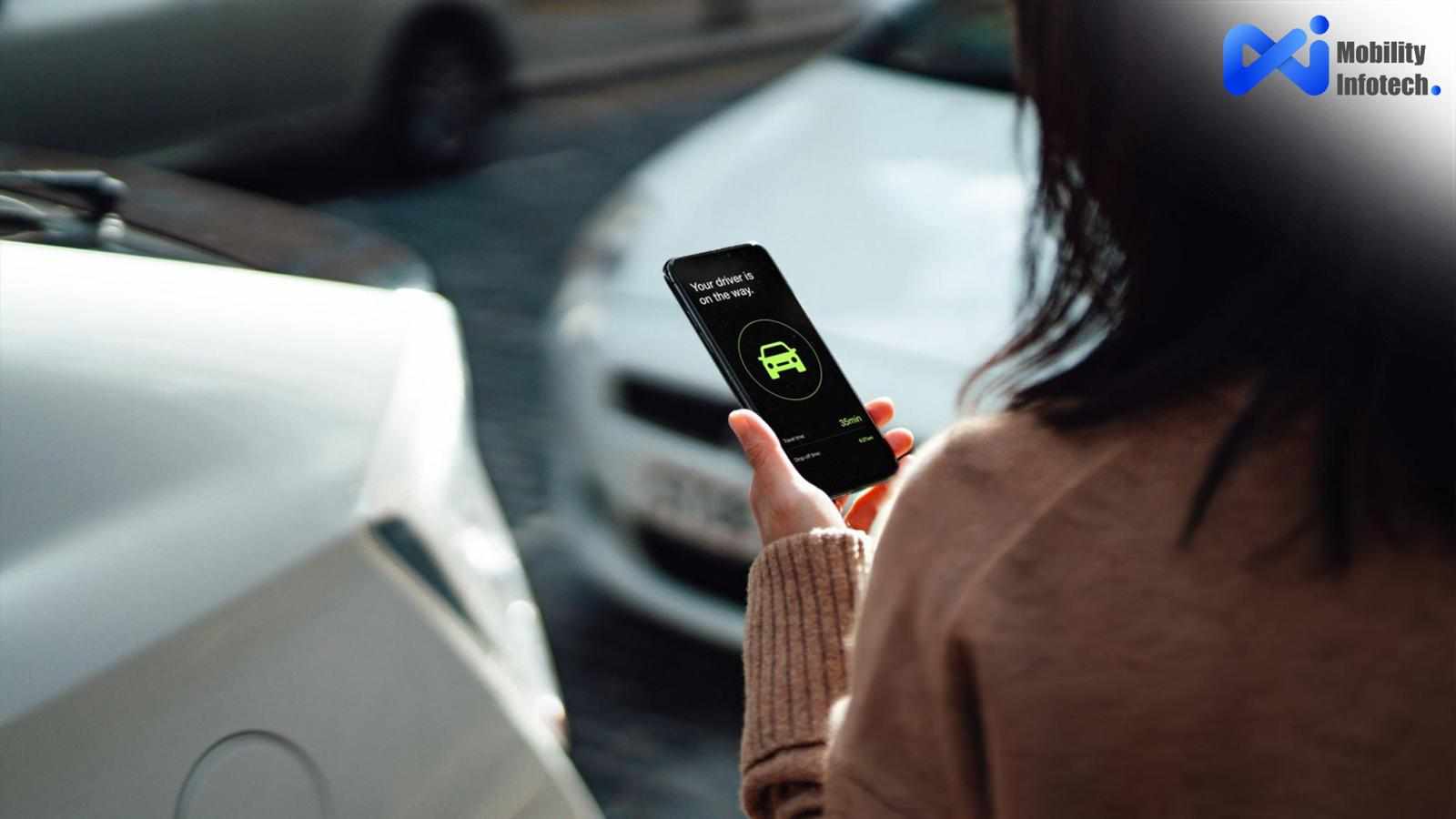
Today’s passengers book rides from their smartphones, track drivers in real time, and expect instant confirmations. To match this behavior, fleet operators must use taxi software built with a mobile-first mindset. Unlike traditional systems that focus on desktop dashboards, mobile-first solutions prioritize seamless app experiences for both drivers and customers.
When drivers receive ride requests directly on their smartphones, response times improve significantly. Real-time GPS tracking allows dispatchers to assign rides to the nearest available driver. With advanced taxi dispatching software, fleets can automate ride allocation and reduce manual errors.
This digital shift also enables better transparency. Customers can monitor ride progress, receive notifications, and rate their experience, all within a single interface. Such convenience builds trust and loyalty over time.
Faster Dispatch and Reduced Idle Time
One of the biggest challenges for taxi fleets is minimizing driver idle time. A mobile-first taxi software platform uses intelligent algorithms to match drivers with nearby ride requests. This reduces waiting time and increases the number of trips completed per shift.
Drivers no longer need to rely on radio communication or constant dispatcher calls. Instead, automated notifications guide them step by step, from accepting a ride to completing it. This streamlined process not only improves driver efficiency but also ensures that customers experience shorter wait times.
By integrating location tracking and automated dispatch, fleet managers gain better control over their operations. They can monitor vehicle movement, identify peak demand zones, and allocate resources accordingly.
Enhanced Driver Experience
A satisfied driver is more productive and reliable. A mobile-first taxi management app provides drivers with a clear overview of their earnings, trip history, navigation routes, and performance metrics. Everything they need is available within a single application.
Modern taxi software also integrates in-app navigation, reducing dependency on third-party tools. Drivers receive optimized routes, helping them avoid traffic and reach destinations faster. Additionally, digital payment integration ensures quick and secure transactions, reducing cash handling risks.
With performance analytics and ratings, drivers can continuously improve their service quality. This leads to better customer reviews and higher retention rates for the fleet.
Real-Time Insights for Fleet Owners
Fleet owners require complete visibility into their operations. A robust taxi software system provides real-time dashboards that display trip data, revenue reports, driver activity, and customer feedback.
Instead of relying on manual record-keeping, operators can access detailed analytics from anywhere. Mobile-first platforms allow managers to monitor operations even when they are away from the office. This flexibility ensures faster decision-making and better control.
Advanced reporting tools also help identify operational gaps. Fleet owners can analyze peak booking times, driver performance trends, and revenue streams. These insights are essential for scaling the business and staying competitive in crowded markets.
Seamless Booking Experience for Customers
Customer expectations continue to evolve. A mobile-driven taxi booking software solution offers instant ride confirmations, fare estimates, and multiple payment options. The entire booking journey becomes smooth and transparent.
Features like ride scheduling, real-time tracking, and push notifications create a sense of reliability. Customers appreciate knowing exactly when their driver will arrive and how much the ride will cost. These small details significantly impact user satisfaction.
Moreover, mobile-first platforms enable customer support within the app. Passengers can report issues, share feedback, or access ride details without any hassle. This convenience strengthens brand loyalty and encourages repeat bookings.
Scalability and Future-Readiness
As taxi businesses grow, their operational needs become more complex. Mobile-first taxi software is designed to scale effortlessly. Whether managing a fleet of 20 vehicles or 2,000, the system adapts to increased demand without compromising performance.
Cloud-based architecture ensures secure data storage and seamless updates. New features can be added without disrupting ongoing operations. This future-ready approach allows fleet operators to stay aligned with emerging technologies and evolving market trends.
Companies like Mobility Infotech understand the importance of building adaptable and innovative solutions for modern taxi fleets. By focusing on mobile-first development, they help operators create reliable, user-friendly systems that meet both driver and passenger expectations.
Competitive Advantage in a Digital Market
The ride-hailing industry is highly competitive. Passengers have multiple options and often choose services based on convenience and speed. A mobile-first dispatch system powered by advanced taxi software gives fleets a significant edge.
Automation reduces operational costs, while improved customer experience drives higher retention rates. Faster dispatch, real-time tracking, and data-driven decisions collectively enhance profitability.
In addition, a professional digital presence strengthens brand credibility. When customers see a seamless app interface and efficient service, they are more likely to trust and recommend the brand.
Conclusion
The taxi industry is no longer limited to traditional dispatch methods. To survive and thrive in today’s digital landscape, fleet operators must adopt mobile-first solutions that prioritize efficiency, transparency, and user convenience.
From faster ride allocation to real-time analytics and improved driver satisfaction, mobile-first taxi software transforms every aspect of fleet management. It empowers operators to reduce costs, increase productivity, and deliver exceptional customer experiences.
In a world where everything happens on smartphones, relying on outdated systems can hold your fleet back. Investing in a modern mobile-first dispatch solution is not just a technological upgrade. It is a strategic move toward sustainable growth and long-term success.










Write a comment ...