
If you live in Istanbul, you don’t measure distance in kilometers; you measure it in hours. We’ve all been there—stuck on the Fatih Sultan Mehmet Bridge, watching the sunset over the water while the brake lights ahead of us remain motionless. Istanbul consistently ranks as one of the most congested cities in the world. But as we move through 2026, the solution isn’t just building more roads; it’s about using the ones we have much more intelligently.
The rise of high-performance carpool software is shifting the narrative from "one person per car" to a shared, digital ecosystem. For a city like Istanbul, where the geography creates natural funnels, carpooling isn't just an eco-friendly trend—it’s a logistical necessity.
Moving Beyond the "Empty Seat" Problem
Every morning, thousands of cars cross from the Asian side to the European side with three empty seats. That is a massive amount of wasted space. By integrating smart carpool software, these empty seats become a resource.
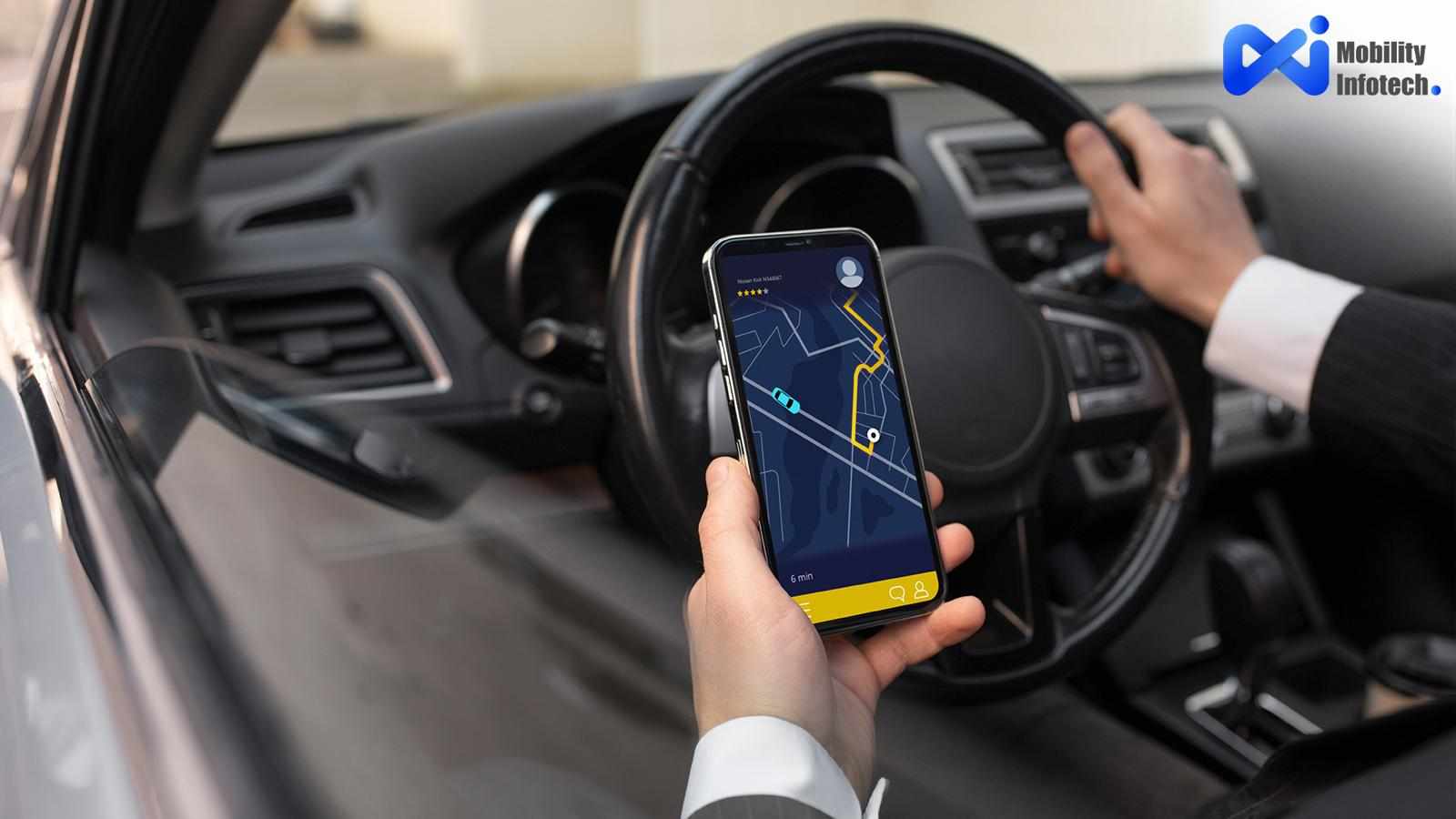
Unlike the old-fashioned "post a notice on a board" method, modern platforms use real-time data to match neighbors and colleagues. But for this to work in a city as fast-paced as Istanbul or Sofia, the technology has to be flawless. It needs to handle sudden bridge closures, weather shifts, and the high security standards that Turkish and Bulgarian commuters expect.
Why Traditional Taxi Models are Evolving
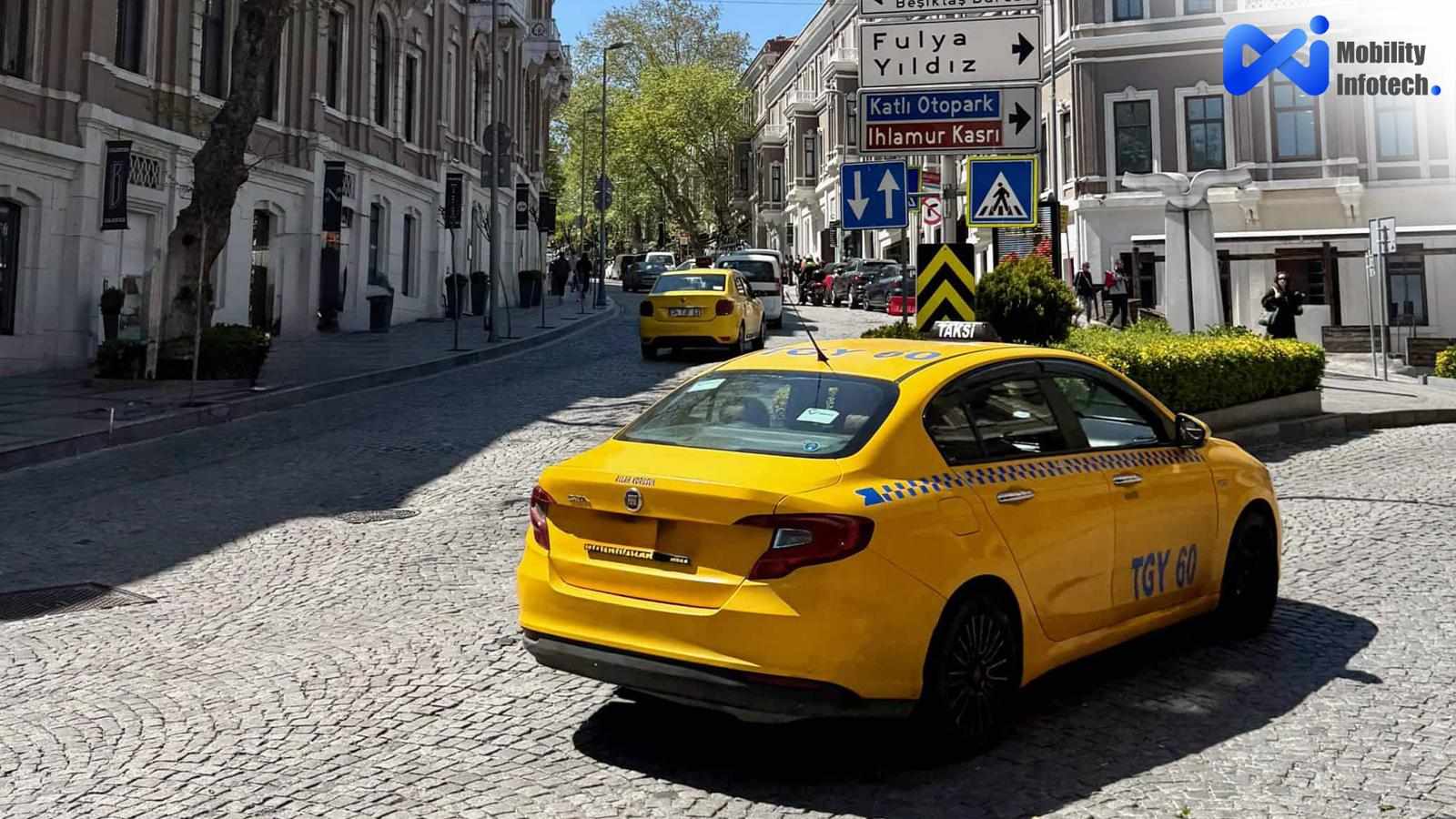
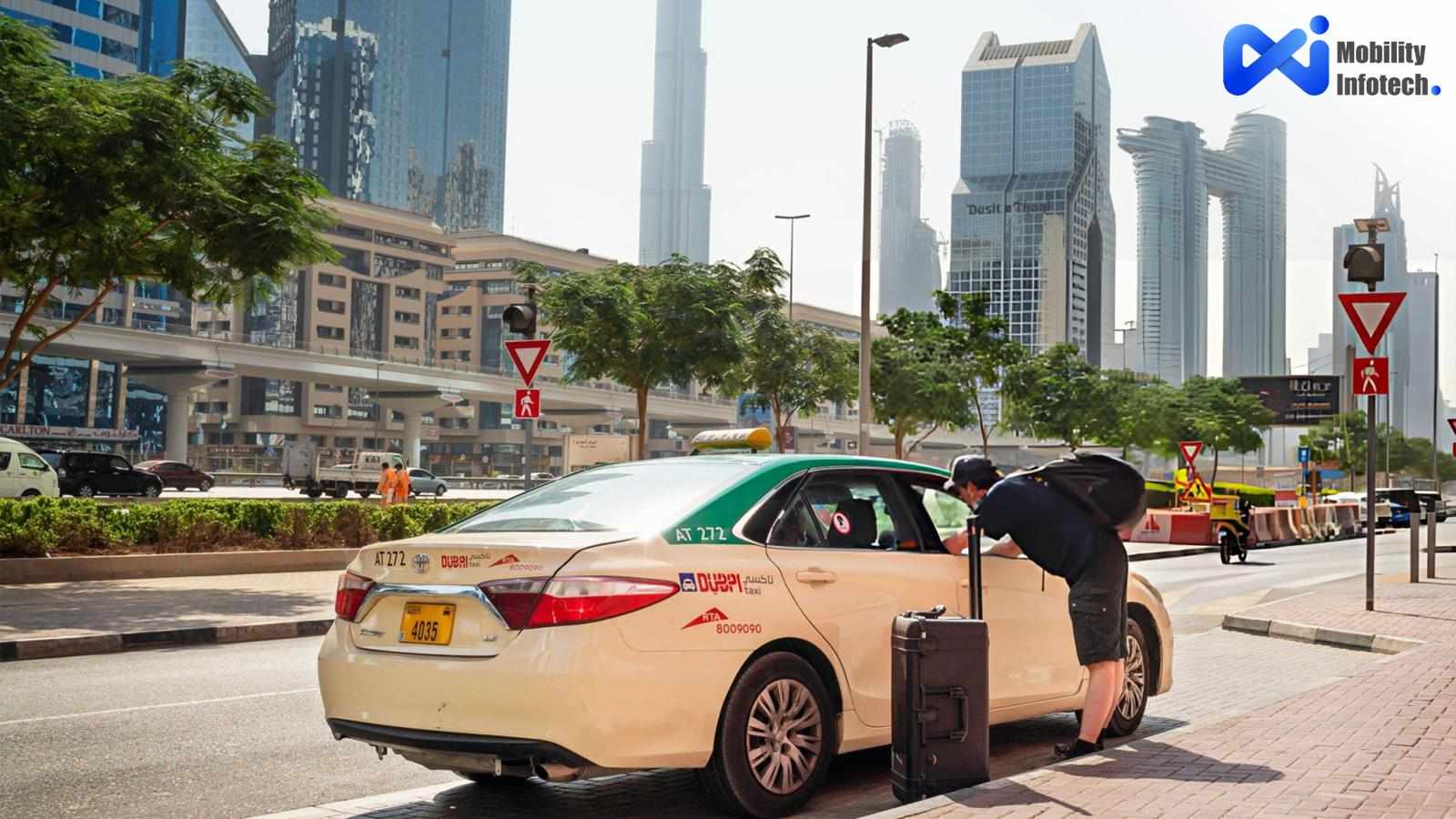
While the yellow taxi is an icon of Istanbul, the demand often outstrips the supply during peak "Marmaray" hours. This is where the lines between traditional transport and shared mobility blur. Many fleet operators are now looking for dispatch taxi software that incorporates carpooling features.
Imagine a scenario where a taxi isn't just carrying one passenger, but picking up two people heading from Kadıköy to Levent. This "hybrid" model reduces the number of vehicles on the road while increasing the earnings for the driver. It’s a win-win that only works if the taxi software behind the scenes can calculate complex, multi-stop routes in milliseconds.
The Mobility Infotech Edge: Built for the "Mega-City"
In the crowded market of mobility tech, Mobility Infotech stands out because they understand the "chaos" of a mega-city. They don't build software for quiet suburbs; they build it for the intensity of the E-5 highway.
What makes their approach unique is the focus on localization. Their platforms are designed to handle the specific payment nuances of the Turkey/Bulgaria region, including local wallet integrations and multi-currency support. But the real USP lies in their "White-Label" philosophy.
They empower local entrepreneurs to launch their own branded carpooling or taxi platforms. By providing the heavy-duty dispatch taxi software and the intuitive user interfaces, they allow local businesses to solve local traffic problems. You get the technical power of a global leader, but the flexibility to adjust your service for the specific needs of an Istanbul commuter.
3 Ways Carpooling Tech Reshapes Istanbul’s Streets
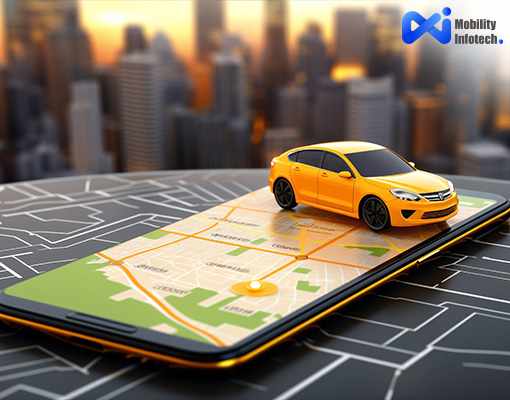
1. Dynamic Routing for Peak Hours Standard GPS isn't enough for Istanbul. You need software that understands historical traffic patterns and real-time accidents. Mobility Infotech’s solutions ensure that carpoolers are matched not just by proximity, but by the most "congestion-proof" routes available at that specific moment.
2. Trusted "Social" Circles Safety is a major concern in the region. Modern carpool software includes verified profiles, community ratings, and "women-only" ride options. This builds the trust necessary to turn a stranger into a commute partner.
3. Integration with Public Transit The goal isn't to replace the Metrobus; it's to complement it. Smart apps function as the "last-mile" solution, bringing people from their homes to the main transit hubs, further reducing the need for private car trips into the city center.
Take the Lead in Urban Mobility
The traffic in Istanbul won't fix itself. It requires bold entrepreneurs and even bolder technology. Whether you are looking to launch a niche carpooling community or upgrade your fleet with the latest taxi software, the time to act is now.
Ready to be part of the solution? Explore how a customized mobility platform can turn Istanbul’s gridlock into a streamlined success story.
Frequently Asked Questions (FAQs)
Q: Is carpooling legal for private car owners in Turkey?
A: Regulations are evolving to support "cost-sharing" models. By using professional carpool software, operators can ensure they remain compliant with local transport laws by focusing on non-commercial, shared-cost trips.
Q: Can this software be used for corporate employee shuttles?
A: Absolutely. Many firms in Istanbul’s business districts are using this tech to manage private employee carpools, significantly reducing the size of their parking lots and their carbon footprint.
Q: Does Mobility Infotech provide support in Turkish or Bulgarian?
A: Yes, their platforms are fully localized, and their team works closely with regional partners to ensure the UI/UX feels natural to local users.








Write a comment ...