
Across Africa, transportation remains one of the biggest challenges for daily commuters and long-distance travelers. Rapid urbanization, rising fuel costs, limited public transport infrastructure, and traffic congestion have created a growing need for smarter mobility solutions. In this evolving landscape, carpooling platforms inspired by BlaBlaCar are gaining attention as a practical and scalable alternative.
As digital adoption accelerates and smartphone penetration continues to rise, many African entrepreneurs and mobility companies are asking an important question. Is BlaBlacar clone app the future of mobility in Africa?
The African Mobility Reality
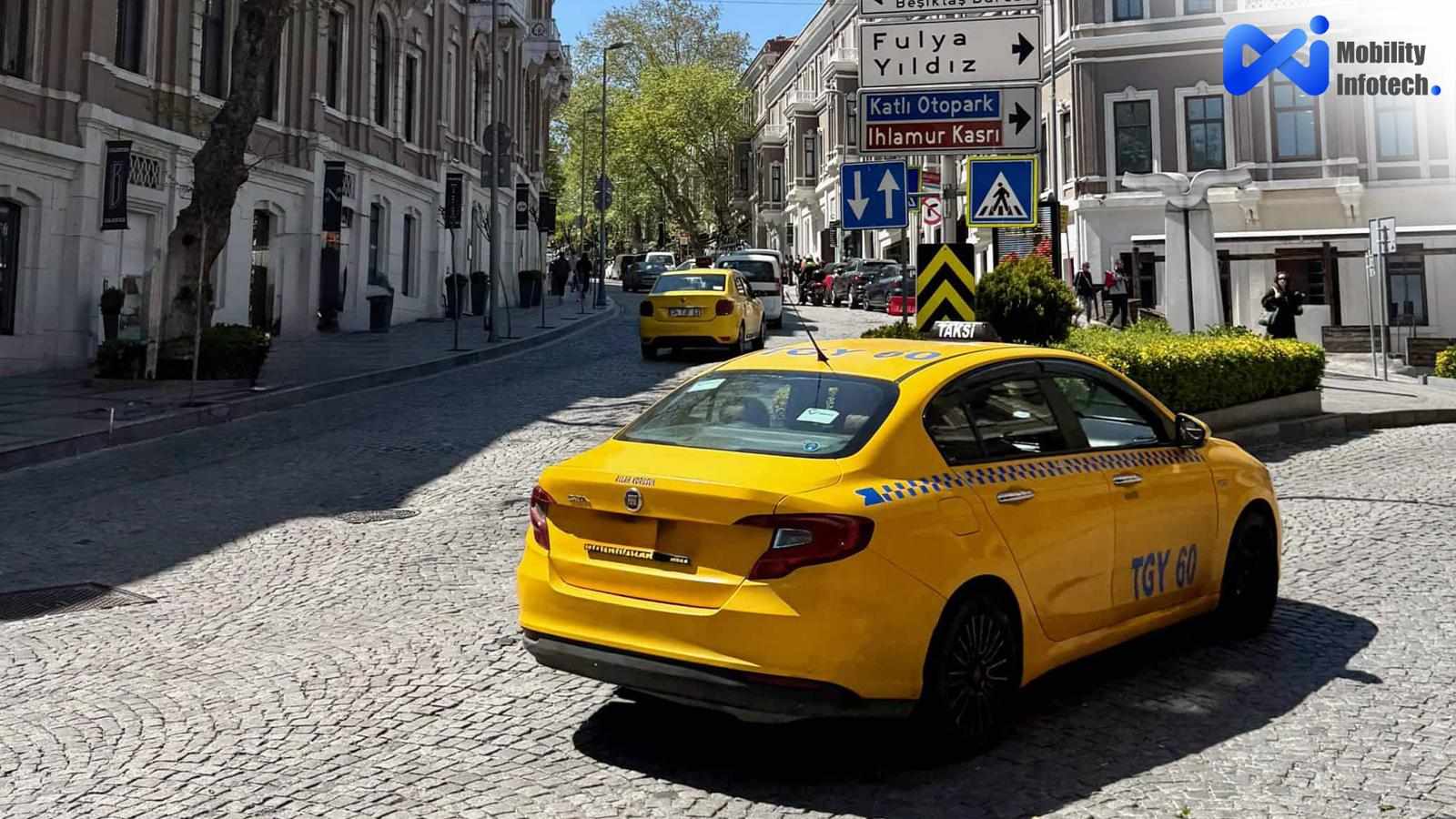
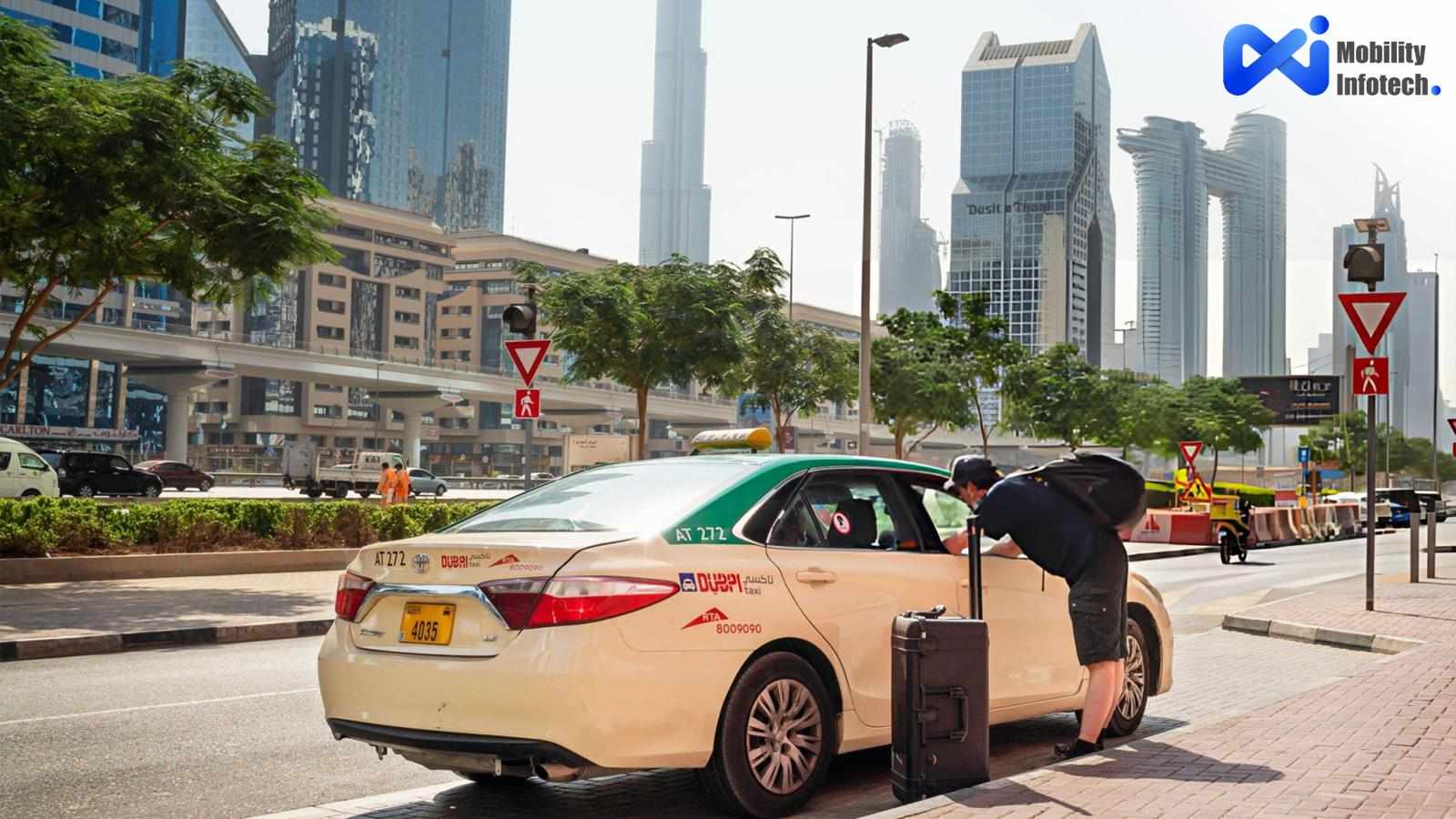
Transportation in Africa is diverse and complex. In major cities like Lagos, Nairobi, Accra, and Johannesburg, commuters rely heavily on informal transport systems such as minibuses, shared taxis, and motorcycle taxis. While these systems are flexible, they often lack reliability, safety standards, and transparent pricing.
For intercity travel, options are usually limited to buses, private cars, or informal ride sharing through word of mouth. This is where structured carpooling platforms can make a real impact by formalizing shared rides and making them safer, more efficient, and more affordable.
Why Carpooling Makes Sense in Africa
Carpooling aligns naturally with African travel behavior. Sharing rides is already culturally accepted, whether it is coworkers commuting together or travelers splitting fuel costs on long journeys. A digital platform simply organizes what already exists.
Key benefits include reduced travel costs for passengers, extra income for vehicle owners, fewer vehicles on the road, and lower carbon emissions. In regions where fuel prices are volatile and incomes are stretched, these advantages are especially compelling.
A well built blablacar clone app allows drivers to list available seats for intercity or intracity trips, while passengers can book rides based on route, price, and driver ratings. This structure brings trust and predictability to shared mobility.
Technology as the Enabler
The success of carpooling apps depends heavily on mobile technology. Africa has seen explosive growth in mobile internet usage, digital payments, and location-based services. These factors create the ideal environment for ride-sharing platforms to scale.
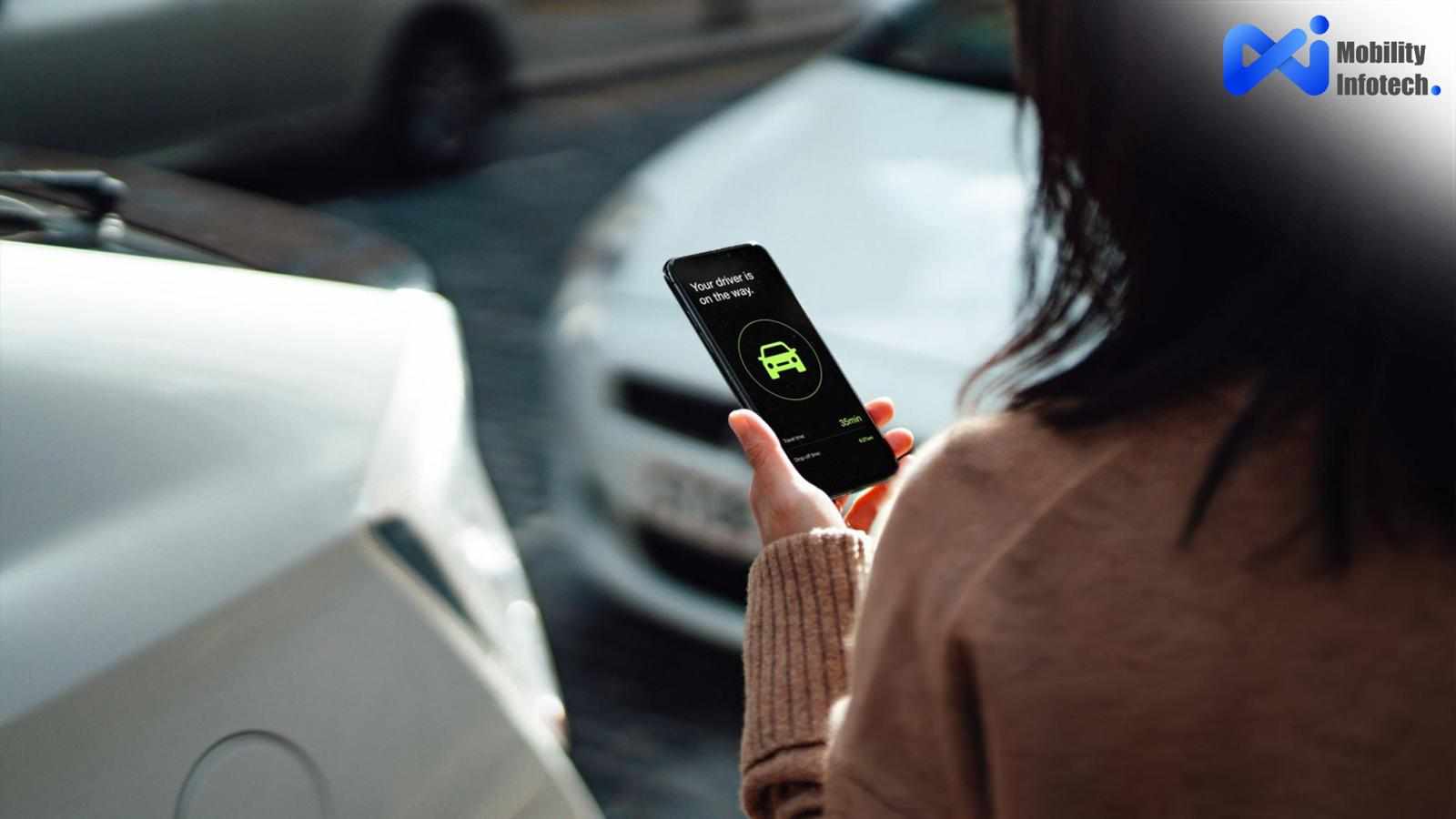
Modern bla bla car clone solutions come equipped with features such as real-time GPS tracking, in-app chat, digital payments, identity verification, and review systems. These features address common concerns around safety and reliability, which are critical for adoption in African markets.
In addition, integration with mobile money services such as M-Pesa, MTN MoMo, and Airtel Money makes payments seamless for users who may not have access to traditional banking.
Intercity and Urban Opportunities
While BlaBlaCar is best known for long-distance travel, African mobility presents opportunities in both intercity and urban contexts. Long-distance routes between major cities are ideal for early adoption, as travelers are already accustomed to planning and sharing costs.
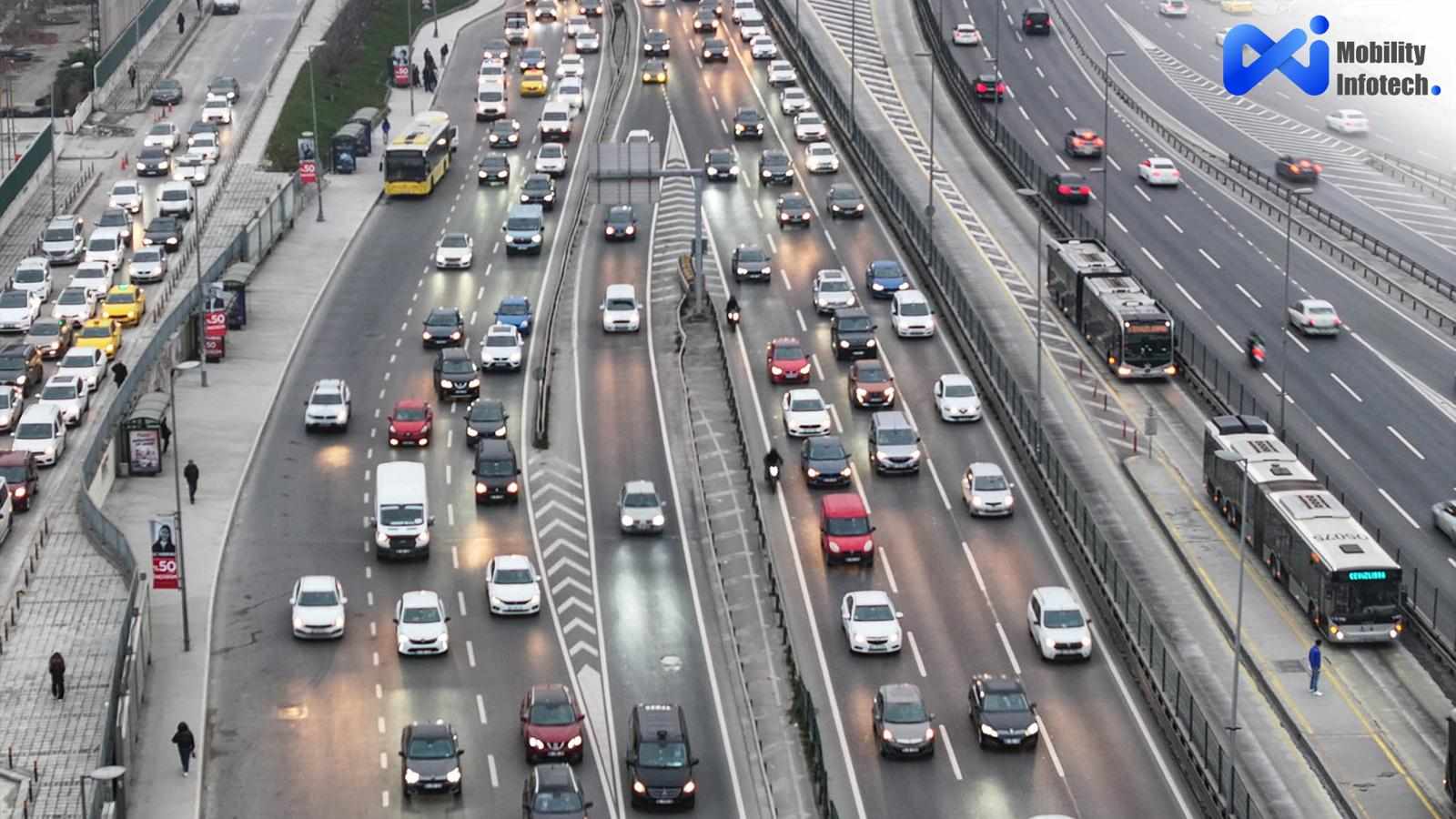
At the same time, urban commuting presents another major use case. Daily traffic congestion and high transport costs make shared rides attractive for office workers and students. When combined with a dispatch taxi app model, carpooling platforms can support both scheduled shared rides and on-demand trips.
This hybrid approach allows operators to serve a wider audience and generate multiple revenue streams.
Challenges to Address
Despite the strong potential, there are challenges that must be addressed for carpooling apps to succeed in Africa. Trust remains a key issue. Users need assurance that drivers and passengers are verified and accountable.
Regulatory frameworks are another consideration. Transport regulations vary widely across countries and cities. Mobility startups must work closely with local authorities to ensure compliance and avoid disruptions.
Infrastructure limitations such as inconsistent internet connectivity and road conditions also require thoughtful app design. Offline support, lightweight app builds, and SMS based notifications can help overcome these barriers.
Why Mobility Infotech Solutions Matter
For entrepreneurs and transport operators looking to enter this space, building a platform from scratch can be time consuming and costly. This is where ready made solutions like a blablacar clone app from Mobility Infotech provide a strategic advantage.
A customizable bla bla car clone allows businesses to launch quickly with proven features, localized branding, and scalable architecture. When combined with a robust dispatch taxi app, operators can offer flexible ride options that meet both urban and intercity demand.
Mobility Infotech focuses on adaptable solutions designed for emerging markets. This ensures that the technology fits African realities rather than forcing users into models designed for different regions.
The Road Ahead
Carpooling apps are not a distant concept for Africa. They are a natural evolution of existing travel habits enhanced by technology. As fuel prices rise, cities grow, and environmental concerns increase, shared mobility will only become more relevant.
BlaBlaCar style platforms, adapted for local contexts, have the potential to transform how Africans travel. For startups, transport companies, and governments, investing in carpooling technology is not just an innovation choice. It is a practical response to real mobility challenges.
With the right technology partner and a deep understanding of local needs, carpooling in Africa can move from informal arrangements to structured, trusted, and scalable digital platforms.















Write a comment ...