
Shared mobility is transforming the way people travel, especially in regions where affordability, sustainability, and convenience are becoming top priorities. As urban populations grow and fuel costs continue to rise, commuters are actively looking for alternatives to private vehicle ownership. Ride-sharing models help reduce individual travel expenses while making better use of existing vehicles. This shift is creating new opportunities for businesses to introduce technology-driven platforms that support collaborative travel.
One of the strongest drivers behind this shift is the adoption of digital platforms such as a BlaBla Car clone, which enables people to share long-distance and intercity rides efficiently. These platforms connect drivers with empty seats to passengers heading in the same direction, making travel more economical and environmentally responsible. As users become more comfortable with app-based mobility services, shared ride platforms are rapidly gaining mainstream acceptance.
Why Shared Mobility Is Experiencing Rapid Growth
Shared mobility aligns well with modern travel expectations. Users want cost transparency, flexibility, and ease of booking, all of which shared ride platforms provide. Beyond affordability, travelers also appreciate the social aspect of shared journeys and the reduced environmental impact compared to solo travel.
Governments and urban planners are also supporting shared transportation models to ease congestion and lower emissions. These factors together are pushing shared mobility from a niche option into a widely adopted travel solution across cities and regions.
Technology as the Backbone of Shared Ride Platforms
Behind every successful shared mobility service lies a strong technological foundation. Features such as route matching, real-time GPS tracking, secure in-app payments, and user verification are essential for building trust and reliability. Automated notifications and communication tools further improve coordination between drivers and passengers.
A well-designed BlaBla Car clone brings these capabilities together in a single platform. It offers a ready framework that businesses can customize based on market needs, allowing faster deployment without compromising on performance or user experience.
How a BlaBlaCar Clone App Supports Business Growth
For entrepreneurs and transport operators, a BlaBlaCar clone provides a scalable entry point into the shared mobility market. Drivers can list available seats, define routes, and set pricing preferences, while passengers can easily search, book, and confirm rides within minutes.
What makes a BlaBla Car clone especially attractive is its flexibility. Operators can implement commission-based models, subscription plans, or premium features to generate revenue. The platform can also be expanded geographically, helping businesses grow without major infrastructure investments.
Business Advantages of Adopting Shared Mobility Models
Launching a shared mobility platform traditionally required heavy development costs and long timelines. With a BlaBla Car clone, businesses significantly reduce both. The solution comes with pre-built features that have already been tested in real-world scenarios.
Operational overhead is also lower compared to fleet-based services. Since drivers use their own vehicles, businesses avoid maintenance and ownership costs. A BlaBla Car clone automates most processes, from bookings to payments, allowing operators to focus on customer acquisition and service quality.
How Shared Mobility Differs From Conventional Ride Services
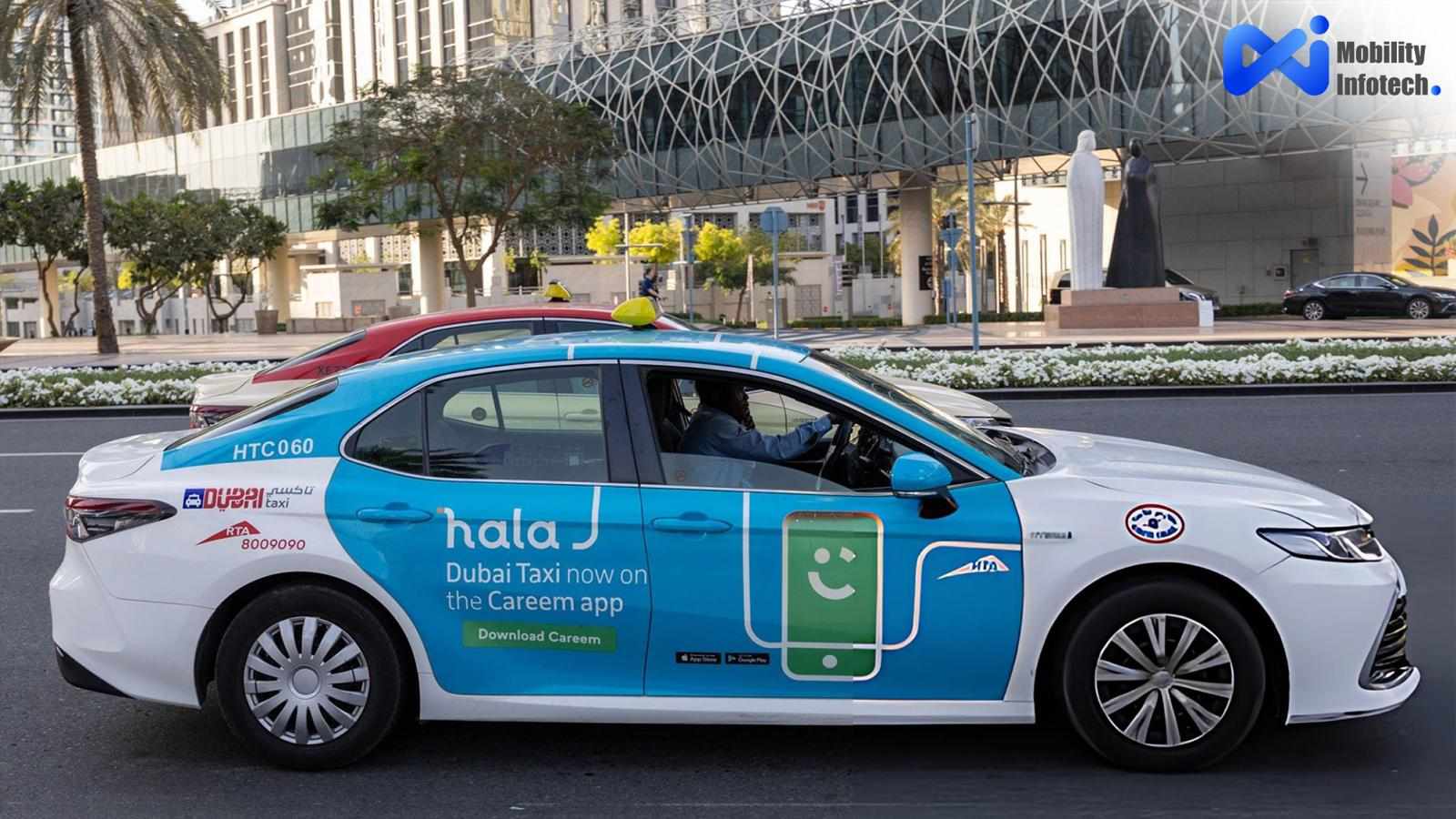
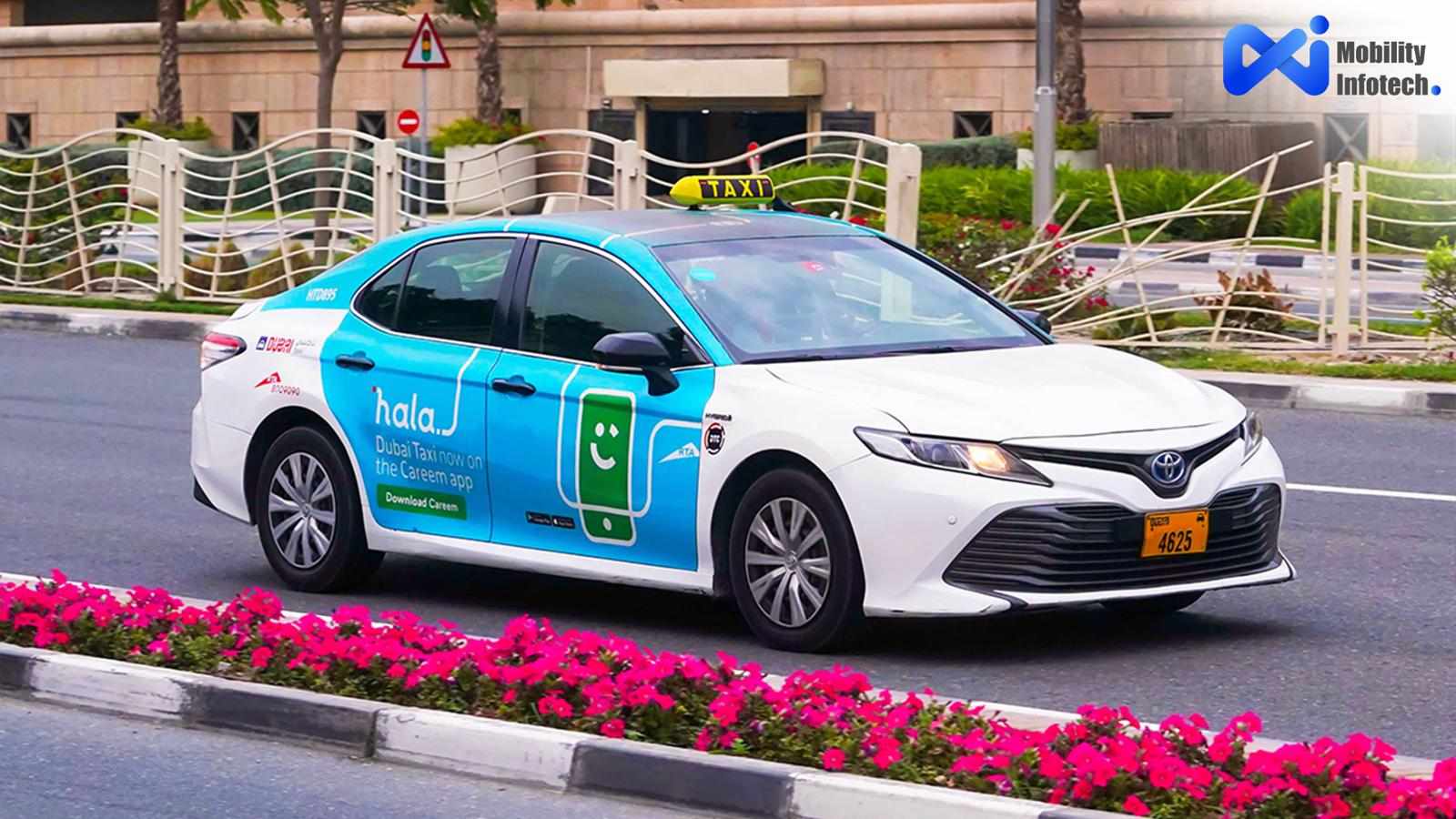
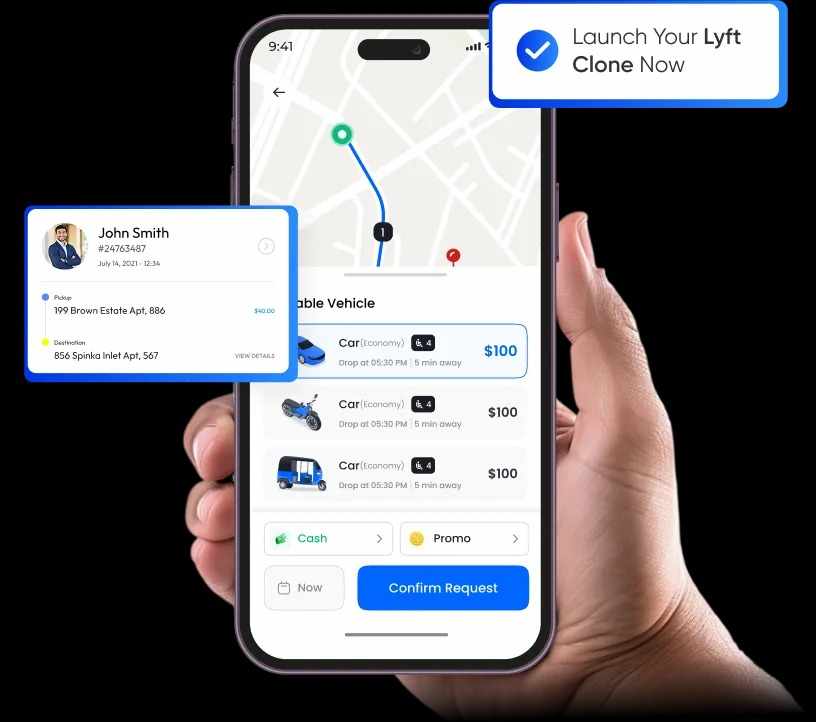
Unlike on-demand urban transport, shared mobility platforms focus on planned journeys. While a taxi app clone is ideal for short city trips, shared ride platforms serve intercity travel, office commutes, and recurring routes.
Some businesses even integrate employee transport and logistics features into their platforms. In such cases, a ride-sharing clone becomes a versatile solution that supports multiple mobility use cases under one system.
Managing Operations With Smart Backend Tools
Efficient operations are critical for scaling any mobility business. Advanced admin panels offer insights into bookings, revenue, driver activity, and user behavior. Integration with taxi company software helps streamline dispatch, reporting, and compliance management.
These backend tools allow businesses to make data-driven decisions, optimize pricing strategies, and improve overall service reliability. As competition increases, operational efficiency becomes a key success factor.
The Long-Term Potential of Shared Mobility Platforms
The future of shared mobility is closely tied to sustainability and smart transportation systems. Innovations such as AI-driven route optimization, dynamic pricing, and deeper personalization will further enhance platform value. As fuel costs fluctuate and environmental awareness grows, shared ride solutions will continue to gain relevance.
Businesses that adopt a BlaBla Car clone today position themselves at the forefront of this evolving mobility ecosystem. Early investment in scalable technology creates long-term competitive advantages.
Choosing the Right Development Partner
Technology quality plays a major role in platform success. Mobility Infotech delivers customizable shared mobility solutions designed for scalability, security, and performance. With deep expertise in clone app development, the company helps businesses launch reliable platforms that meet both user expectations and market demands.



















Write a comment ...