
In today’s fast-paced transportation industry, ride-hailing apps have become a cornerstone for efficient and convenient urban mobility. For entrepreneurs entering this market, one question often arises: How can I customize and deploy a Lyft clone script for my transportation business? Leveraging a pre-built clone script allows businesses to launch quickly while offering unique features and a tailored user experience that stands out in a competitive landscape.
Understanding the Lyft Clone Script
A Lyft clone script is a pre-designed software solution that replicates the core functionalities of the Lyft app. This includes rider registration, driver onboarding, real-time ride tracking, fare calculation, and in-app payments. Using such a script allows businesses to focus on custom features and branding while leveraging a proven ride-hailing framework.
Key Steps to Customize Your Lyft Clone
Identify Your Unique Selling Proposition (USP)
Define what will make your ride-hailing app different. This could include eco-friendly rides, subscription-based services, corporate solutions, or luxury options. A clearly defined USP guides the customization process and attracts your target audience.Modify Branding Elements
Update the app’s interface with your brand logo, colors, and themes. A visually appealing and consistent brand identity builds trust and encourages user adoption.Enhance the User Experience
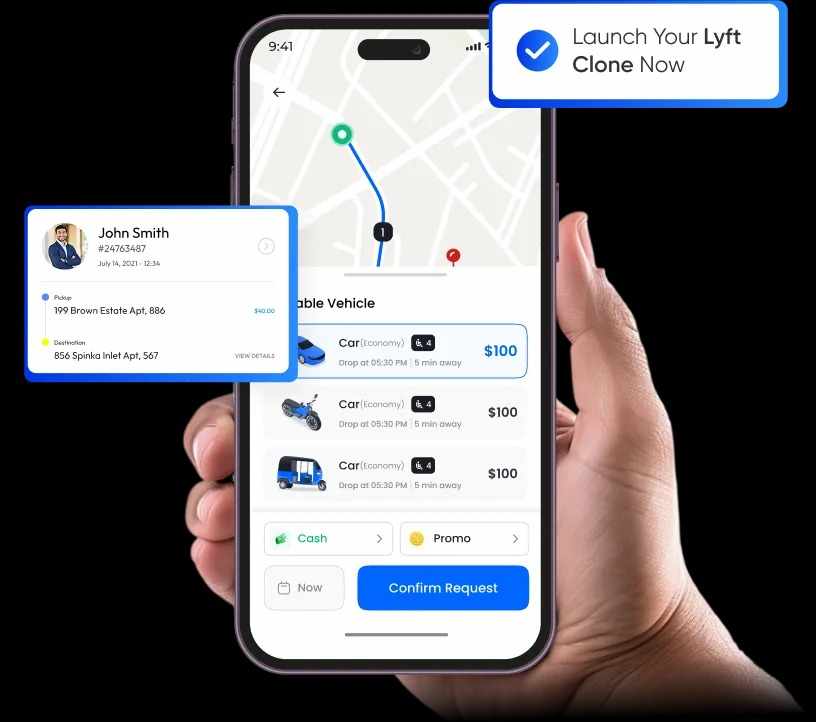
Focus on simple booking flows, intuitive navigation, and a seamless payment process. Features like ride scheduling, loyalty programs, and multi-language support further improve user satisfaction.Add Advanced Features
Include real-time driver tracking, route optimization, AI-based fare estimation, surge pricing, and SOS alerts. These features enhance operational efficiency and provide riders with a secure and reliable experience.Integrate Multiple Payment Options
Accommodate user preferences by including credit/debit cards, digital wallets, and local payment systems. Ensuring secure and smooth transactions helps maintain customer trust.Test and Optimize the App
Conduct rigorous testing to ensure smooth performance under various conditions. Beta testing with a limited audience allows you to gather feedback and refine the app before a full-scale launch.
Deployment Considerations
Deploying a Lyft clone script involves several technical and operational steps:
Server Setup: Ensure backend servers are scalable and robust to handle high traffic.
App Store Submission: Follow iOS and Android guidelines for smooth approval.
Compliance and Legal: Adhere to transportation regulations, insurance requirements, and data privacy laws.
Driver Recruitment: Onboard skilled drivers and provide necessary training.
Marketing and Launch: Run pre-launch campaigns, referral programs, and social media promotions to attract initial users.
Benefits of Using a Lyft Clone Script
Reduced Development Time: Faster app launch compared to building from scratch.
Cost-Effective: Lower development expenses while allowing full customization.
Scalability: Add features and upgrade the app as your business grows.
Proven Model: Rely on a tested framework with established ride-hailing functionalities.
Conclusion
Leveraging a Lyft clone script enables businesses to establish a ride-hailing service efficiently while tailoring it to market-specific needs. With proper customization, advanced features, and seamless deployment, your app can offer a secure, reliable, and user-friendly experience. In the United States, partnering with an experienced provider like Mobility Infotech ensures smooth implementation, scalability, and long-term operational success.
FAQs
Q1: Can I customize a Lyft clone app for a niche market?
Yes, clone scripts are highly adaptable. You can target specific segments such as corporate clients, eco-conscious riders, or premium service seekers.
Q2: How long does it take to deploy a customized Lyft clone?
Deployment depends on the level of customization but generally takes 4–8 weeks for a fully functional app.
Q3: Do I need technical expertise to deploy a Lyft clone?
A skilled development team is recommended for integration, testing, and scaling, although basic management can be handled by business owners.
Q4: Is it safe to use a pre-built clone script?
Yes, if sourced from a trusted provider with secure coding standards and post-launch support.
Q5: Can I integrate additional features later?
Absolutely. Clone scripts are flexible and scalable, allowing future upgrades and feature integration.





















Write a comment ...