
The ride-hailing industry moves fast. Really fast. And if you're planning to build a custom app from scratch, you might find yourself a year behind competitors who've already grabbed your market share.
That's exactly why white-label taxi app have become such a popular choice lately. Businesses are realizing they don't need to spend months building something that already exists and works well.
Speed Wins in This Market
Here's the reality: custom development takes forever. You're looking at 6-12 months minimum, often longer once you factor in all the revisions and testing. Meanwhile, customers in your area are already using other services, and drivers are signing up with your competitors.
A white label taxi app changes this equation completely. The foundation is already there, it's been built, tested, and used by actual riders and drivers. You're not starting from zero. Instead, you're taking something proven and making it your own.
I've seen businesses go from initial planning to full launch in under a month using taxi app clones. That's the difference between catching a market opportunity and watching it pass by.
The Money Conversation Nobody Wants to Have
Custom development is expensive. We're talking $100,000+ easily, sometimes way more depending on the features you want. And that's just the initial build. Then come the maintenance costs, unexpected bugs, and feature additions you didn't budget for.
White-label solutions cost a fraction of that. The math is simple: when development costs are shared across multiple clients, everyone pays less. You get technology that would normally require a massive budget, but at a price that actually makes sense for your business.
Plus, you sidestep all those budget-killing surprises that custom projects are famous for. No scope creep. No "we need three more months and another $50K" conversations.
You're Getting Features That Actually Matter
Building custom means guessing what users want. Sure, you can do market research, but you're still making educated guesses. Get those guesses wrong, and you've burned months building features nobody uses.
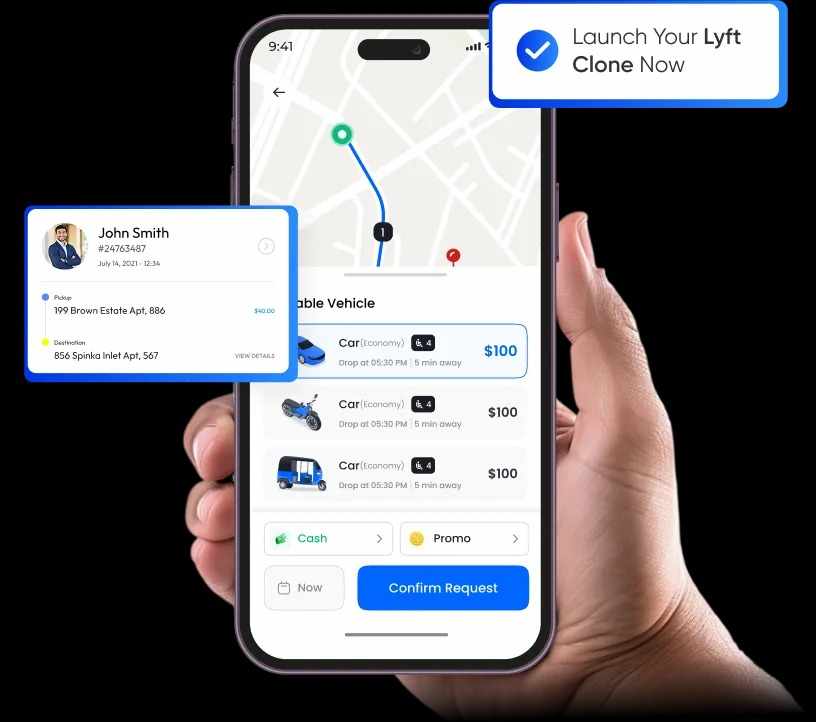
White label taxi apps solve this problem because they're built on data from real users. Features like live tracking, multiple payment methods, driver ratings—these aren't theoretical. They're proven to work because thousands of people already use them daily.
You launch knowing the core functionality is solid. No crossing your fingers, hoping users will like your innovative-but-untested feature set.
Making It Yours Without Starting from Scratch
People sometimes think white-label means cookie-cutter. That's not accurate.
Modern taxi app clones give you plenty of room for customization. Your brand colors, your logo, your specific features—all of that can be integrated. The difference is you're customizing something stable rather than building everything yourself.
It's like buying a car versus building one in your garage. Sure, you could theoretically build a car from individual parts, but why would you? Buy the car, customize what matters to you, and actually drive it instead of spending years in assembly mode.
Support When Things Go Wrong (Because They Will)
Custom apps leave you on your own after launch. Bug appears at midnight? You're calling your developer, hoping they pick up. Critical issue during rush hour? Good luck.
White-label providers have support built into their business model. They need your app to run smoothly because their reputation depends on it. Updates happen regularly. Security patches are handled. You're not managing technical emergencies alone.
What's Actually Happening in the Market
While some companies spend a year in development, others are already operating and learning from real customers. That's not a small advantage—it's everything in a competitive market like ride-hailing.
The successful businesses right now aren't the ones with the most custom code. They're the ones who launched quickly, listened to customer feedback, and built strong operations. The technology matters, but it's not where you should be spending all your time and money.
Where Do You Go from Here?
The debate about custom versus white-label is basically settled at this point. The market has shown which approach works for most businesses trying to enter ride-hailing.
At Mobility Infotech, we've watched this shift happen. Companies that would've spent a year building custom apps are now launching in weeks with our white-label solution. They're focusing their energy on drivers, riders, and operations instead of endless development cycles.
If you're serious about launching a ride-hailing service without the typical headaches and delays, we should talk. Getting started is simpler than you probably think, and the timeline might surprise you.



















Write a comment ...